Electronic Waste Collection Solutions: Optimizing Your Recycling Efforts for a Greener Tomorrow
E-waste pickup services are reshaping how people and companies manage their recycling efforts. Such services make the disposal process easier while upholding environmental guidelines. They not only ease the challenge of moving bulky electronic devices but also support sustainable habits. As more consumers seek eco-friendly solutions, understanding the nuances of these services becomes essential. What elements should individuals evaluate when selecting an e-waste collection service? What you discover could be unexpected.
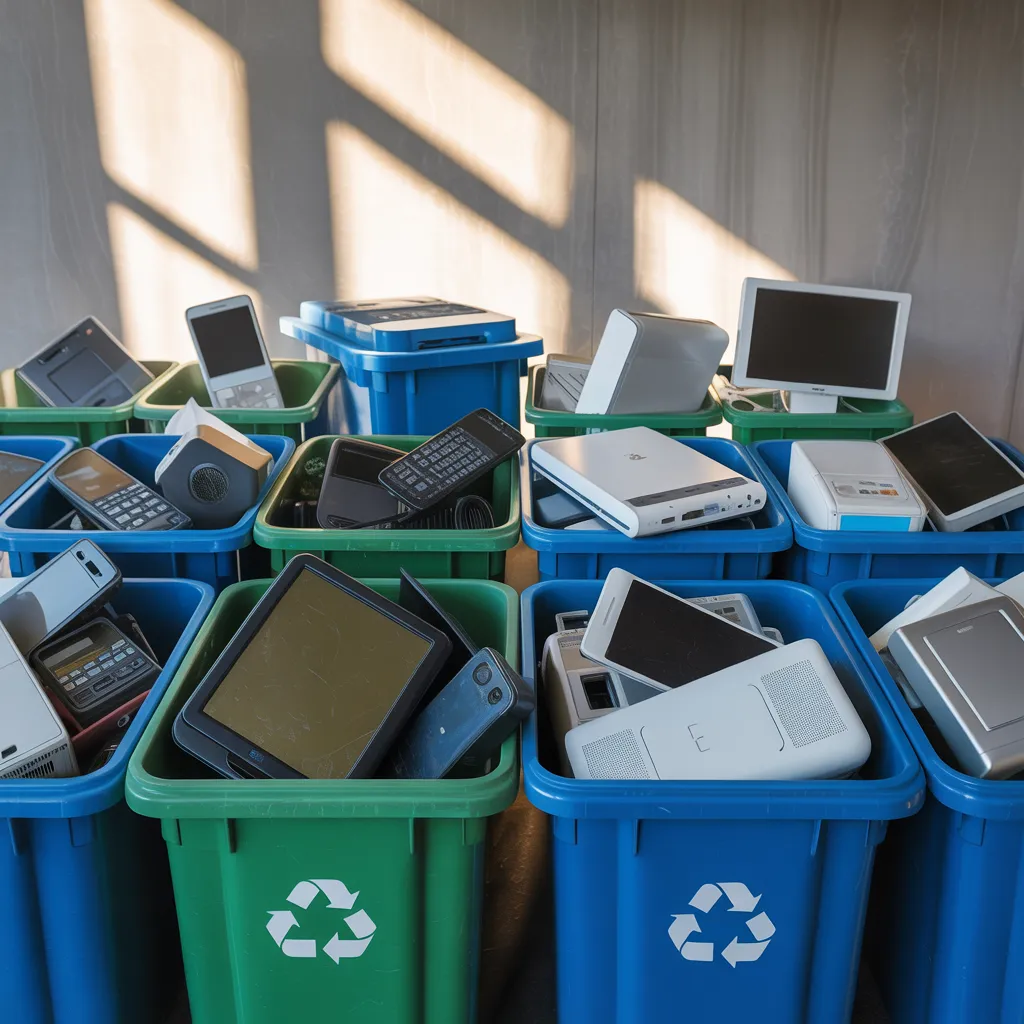
How E-Waste Pickup Mitigates Environmental Impact
E-waste collection services play a vital role in lessening the environmental consequences of discarded electronics, as they facilitate the responsible disposal and recycling of dangerous substances. These initiatives work to prevent harmful substances, such as mercury, lead, and cadmium, from tainting soil and water supplies. By effectively collecting and moving e-waste, they ensure that dangerous components are managed in compliance with environmental guidelines.
Furthermore, electronic waste pickup services support the recovery of resources by routing high-value materials, like gold, silver, and copper, back into the manufacturing cycle. This minimizes the reliance on freshly sourced raw materials, as a result safeguarding natural resources and reducing energy expenditure linked to extraction and processing.
Additionally, these programs boost general awareness about the significance of correct e-waste disposal, prompting individuals and businesses to engage in green practices. Altogether, e-waste collection services greatly advance a cleaner, healthier environment by managing the challenges associated with electronic waste.
Why You Should Use E-Waste Pickup Services
E-waste collection services provide significant advantages for both individuals and businesses. Such services deliver flexible collection solutions, making the disposal of outdated electronics hassle-free. Moreover, they ensure sustainable disposal solutions, helping to reduce environmental harm associated with electronic waste.
Easy Collection Choices
As individuals and businesses aim to properly manage their electronic waste disposal, leveraging pickup services delivers an effortless option. These services offer flexible collection options tailored to different schedules and requirements. Customers frequently have access to flexible pickup windows that serve both residential and commercial properties. This eliminates the need for transporting bulky items to recycling centers, saving valuable time and effort. Additionally, many e-waste pickup providers offer same-day or scheduled appointments, enhancing accessibility. By streamlining the collection process, these services encourage more people to recycle their electronic devices, ultimately reducing the environmental impact of e-waste. The simplicity of booking and pickup encourages proper disposal habits, establishing it as an ideal option for those seeking to support a more sustainable future.
Environmentally Conscious Disposal Techniques
Using electronic waste collection services guarantees that electronic equipment are disposed of in an environmentally responsible manner. These providers focus on processing various types of electronic waste, ensuring that hazardous materials, such as lead and mercury never reach landfills. By partnering with certified recyclers, electronic waste collection services contribute to resource conservation via the reclamation of valuable materials, lessening the demand for virgin raw materials. Additionally, these providers regularly follow domestic and international guidelines, promoting sustainable practices. Organizations and individuals take advantage of the ease of scheduled collections, easing the challenge of moving large items. Ultimately, choosing green disposal options through e-waste pickup providers cultivates a mindset of sustainability, encouraging responsible consumer behavior and reducing environmental impact.
What to Expect for E-Waste Pickup?
What can individuals expect from an e-waste pickup? People can anticipate a well-organized process aimed at promoting responsible disposal of electronic waste. To begin, a confirmed appointment will be arranged, enabling easy and flexible scheduling. During the scheduled pickup, a professional team will show up ready to manage numerous types of electronic equipment, ensuring secure transport and a hassle-free process.
Users need to prepare their electronic waste by organizing the items requiring collection, as this can expedite the process. The collection crew might give direction on what can and cannot be accepted. Safety measures are often in place, including protective gear and proper handling techniques for hazardous materials.
Moreover, transparency is key; clients are often given a receipt or confirmation of the electronics gathered, underlining the dedication to proper disposal. Ultimately, the electronic waste pickup service is designed to simplify the overall recycling process while encouraging sustainable practices.
Important Considerations for Picking an E-Waste Pickup Service
How can one guarantee they choose the right e-waste pickup service? Selecting an appropriate service requires careful consideration of several key criteria. First, it is vital to verify the service's certifications and compliance with local and national environmental regulations. This confirms that e-waste is See more processed in full compliance with legal and environmental guidelines. Additionally, evaluating the company's standing through client feedback and testimonials offers valuable perspective on their dependability and expertise.
In addition, evaluating the range of services offered can be beneficial; a comprehensive service might offer data destruction, recycling, and refurbishment choices. Additionally, transparency in pricing is important; honest, upfront rates help eliminate unforeseen expenses. Lastly, consider the company's responsiveness and customer service, as effective communication fosters a smoother pickup experience. By focusing on these criteria, businesses and individuals can decisively pick an e-waste removal service that complements their green initiatives.
Time to Schedule Your E-Waste Pickup?
When is the best time to schedule an e-waste pickup? The timing of your pickup can significantly affect the efficiency of the recycling process. For best results, people should look into scheduling pickups on weekdays when service providers tend to have greater availability. Early mornings or late afternoons may also be ideal, as these times typically experience less traffic, allowing for quicker service.
Furthermore, planning ahead is essential. Users are advised to reserve pickups multiple days in advance, most notably during high-demand periods or neighborhood recycling programs. This confirms that the preferred service can address individual needs and expectations.
Additionally, matching the pickup with other household chores or decluttering efforts can streamline the procedure. By organizing the e-waste collection with personal commitments, households can ensure the recycling process is smoother and more convenient. Ultimately, thoughtful scheduling fosters a smoother electronic waste recycling process, cultivating a commitment to environmental sustainability.
What Does the Future Hold for E-Waste Recycling?
As the e-waste problem keeps expanding, advancing recycling innovations stand ready to reshape the landscape. Anticipated policy changes may further enhance recycling efforts, while creative collection approaches are designed to improve e-waste disposal accessibility. Together, these developments could greatly improve the efficiency and effectiveness of e-waste recycling practices.
Next-Generation Technologies in Recycling
Advancements in technology are set to transform e-waste recycling, enhancing operational efficiency and environmental responsibility. Advanced robotics and automated sorting systems are increasingly being integrated into recycling facilities, enabling the exact extraction of recoverable resources from electronic waste. Machine learning and artificial intelligence plays a critical role in optimizing these processes, enabling real-time decision-making and elevating recovery rates. Moreover, emerging methods such as advanced hydrometallurgical and biotechnological processes are designed to recover valuable metals with limited harm to the environment. Blockchain-based systems is also being explored for tracking e-waste throughout the recycling process, guaranteeing traceability and responsibility. As these innovations advance, they will markedly reduce the carbon footprint of e-waste disposal, paving the way for a more sustainable future in e-waste management.
Changes to Policy Are Coming
Legislators are gearing up to implement major regulatory reforms designed to improve the management of electronic waste recycling. Such efforts aim to confront the growing concerns surrounding e-waste and the harm it causes to the environment. Suggested guidelines encompass more rigorous requirements for producers regarding product lifecycle management, encouraging them to design for recycling. Additionally, incentives for consumers to hand in outdated electronic products are being evaluated, encouraging environmentally mindful practices. Officials may further expand budget allocations for electronic waste management efforts, working to enhance availability and productivity in electronic waste gathering. Through encouraging openness and responsibility in the recycling process, legislators aim to minimize landfill usage while enhancing material reclamation, ultimately leading to a more sustainable approach to electronic waste management in the future.
Modern Collection Strategies
Revolutionizing e-waste collection methods is essential for enhancing the efficiency and accessibility of recycling. Emerging technologies, such as digital platforms, enable on-demand pickups, permitting consumers to plan collection at their convenience. Furthermore, alliances with local enterprises and neighborhood centers create designated drop-off points, improving recycling accessibility. Innovative containers equipped with sensors can track capacity levels, securing efficient collection and streamlining logistics. Additionally, gamification strategies promote involvement by rewarding individuals or communities for their recycling efforts. These developments not only streamline the collection process but also highlight the significance of conscientious e-waste handling. As these advanced techniques grow in popularity, they offer a greener path forward for electronic waste recycling, ultimately contributing to a greener planet.
Questions We Often Receive
What Kinds of E-Waste Do You Accept for Pickup?
E-waste removal services generally collect items including old computers, televisions, smartphones, tablets, printers, and various electronic accessories. These services aim to properly recycle and manage electronic equipment in a sustainable and responsible way.
Are There Fees Involved With E-Waste Pickup Services?
Fees for e-waste pickup services tend to fluctuate influenced by your area and the category of electronic devices being retrieved. Certain providers may provide complimentary collection, while other providers may impose costs depending on the volume or certain devices.
How Is Data Security Protected During E-Waste Disposal?
Data security during e-waste disposal is guaranteed via methods such as data wiping, physical destruction of storage devices, and certification from reputable recyclers, protecting confidential information and blocking unauthorized access to private and business data.
Can Companies Also Take Advantage of E-Waste Pickup Services?
Absolutely, companies can utilize electronic waste collection services. These services cater specifically to organizations, providing efficient collection and recycling of electronic equipment while promoting environmental responsibility and adherence to regulations governing proper e-waste handling.
What Happens to E-Waste After It's Picked Up?
After e-waste is picked up, it is sorted for recyclable materials, followed by disassembly and processing. Dangerous components are carefully and safely disposed of, while recyclable metals and plastics are reclaimed and repurposed, contributing to sustainable resource management efforts.